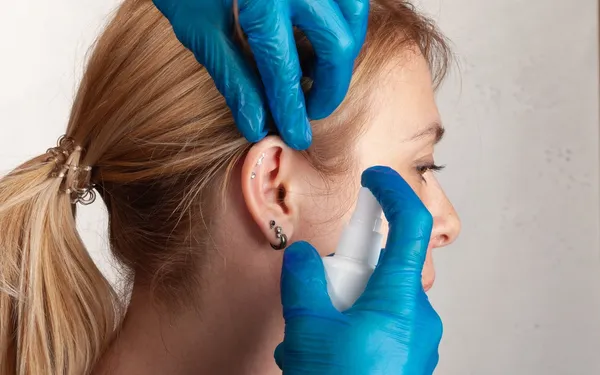
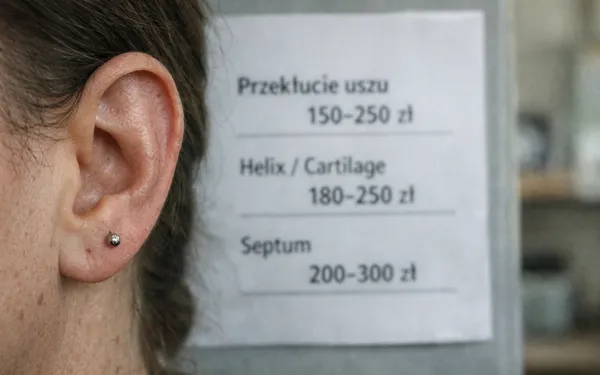
How to Prepare a Child for Ear Piercing
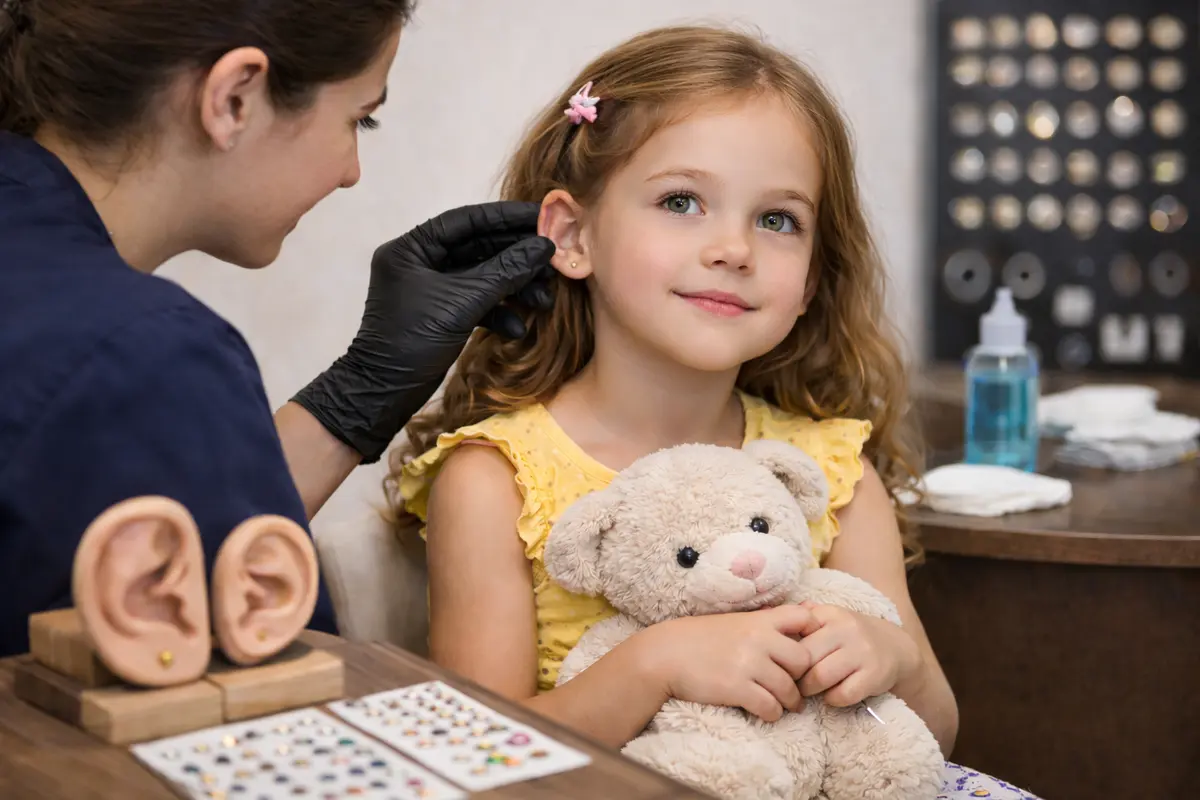
Test Ear piercing for a child is a meaningful decision. For some families it is a tradition, for others it is a conscious aesthetic choice or simply something the child has asked for. Whatever the reason, proper preparation is one of the biggest factors that determines whether the experience feels calm and safe - or stressful and overwhelming.
In Warsaw, many studios offer ear piercing, but parents usually want the same outcome: a sterile procedure, a gentle approach, and a method suitable for children, including babies. This guide is based on real studio practice with families in Warsaw and explains how to prepare your child (and yourself), how to communicate by age, and why the ear piercing method matters.
Why preparation matters more than most people think
Children are highly sensitive to adult emotions. Even babies can pick up on tension, hurried movements, or anxious facial expressions. If a parent is nervous or unsure, the child often becomes more alert and uneasy.
When preparation is done well, you usually see:
- better cooperation from the child
- a shorter and smoother appointment
- fewer stress reactions
- easier settling after the piercing
- a calmer overall experience for both the child and the parent
In many cases, a child's stress is not caused by the piercing itself, but by the atmosphere around it - pressure, rushed timing, too much information, or fear-based language.
Parent preparation - the part that actually drives the outcome
Children regulate through their caregivers. Before you focus on what to say to your child, check your own readiness.
Ask yourself:
- Am I genuinely comfortable with this decision?
- Can I stay calm if my child cries?
- Am I willing to pause or reschedule if my child clearly refuses?
If you feel tense, structure helps. Plan for:
- a time when your child is rested and fed
- no rushing from another activity
- arriving a few minutes early
- having a flexible mindset - crying does not automatically mean "something went wrong"
Your goal is not to eliminate emotions. Your goal is to keep the situation stable and safe.
How to talk to your child about ear piercing (by age)
Babies (0-12 months)
For babies, preparation is about comfort, not explanation:
- close contact with a parent
- feeding or soothing before the visit
- choosing a good time of day (avoid peak tiredness or hunger)
- a quick and gentle professional procedure
A practical tip: if your baby usually calms down after feeding, plan the appointment so you can cuddle and soothe immediately after the piercing.
Toddlers (1-3 years)
Toddlers often react strongly to unfamiliar situations. What usually works best:
- do not announce the piercing days in advance
- keep the tone neutral
- avoid pain-focused words ("needle", "hurt")
- do not turn the appointment into a big event
A short message right before leaving is enough: "We are going to see a specialist who will help you wear earrings."
Preschool children (3-6 years)
Preschoolers ask questions and need simple honesty. Best approach:
- keep it short and clear
- use child-friendly language
- do not promise "you won't feel anything"
- answer questions calmly
Example:
"The specialist will gently make a tiny hole so you can wear earrings. It will take a moment. I will stay with you."
If they ask "Will it hurt?", a neutral answer is best:
"You may feel a quick pinch. It lasts only a second."
Children 6+
Older children often request ear piercing themselves. Helpful steps:
- explain the visit step by step
- answer questions honestly
- let the child choose medical earrings
- give a sense of control ("We can pause if you need a break")
Children usually cope better when they feel involved and respected.
What to prepare on the day of the appointment
A practical checklist:
- washed hair (so you do not need to wash immediately after)
- comfortable clothing that does not pull over the ears
- a small snack and water
- a comfort item for younger children
- for older kids - something to occupy attention (talking, a small game, a book)
Avoid coming hungry and exhausted. That is one of the most common reasons appointments become difficult.
When it is better to reschedule
Sometimes the best choice is to move the appointment to another day. Consider rescheduling if:
- your child is sick, feverish, or recovering from an infection
- your child is extremely tired or hungry
- your child shows strong fear and clearly refuses before the process starts
- you (as a parent) feel you cannot stay calm
Rescheduling is not failure. It is a child-centered decision focused on safety and comfort.
What NOT to do before ear piercing
Avoid these if you want a calm experience:
- do not scare the child
- do not share negative stories
- do not show strong anxiety
- do not promise "no sensation at all"
- do not force a child who clearly says "no"
If your child is highly distressed, rescheduling is often the best decision. Ear piercing is not urgent.
Why the ear piercing method matters (especially for children)
In Warsaw you can still find very different methods. For children, the key factors are sterility, precision, and minimal tissue trauma.
Medical ear piercing system - Inverness Med (Warsaw)
The Inverness Med medical ear piercing system is designed with safety in mind:
- quiet operation (no loud "gun" sound)
- sterile, single-use cartridges
- minimal tissue trauma
- certified for babies 0+
- encapsulated piercing component reduces environmental exposure
Sources:
→ Ear piercing for children Warsaw
Frequently asked questions (FAQ) - child ear piercing in Warsaw
Can a parent stay with the child during the procedure?
Yes. Parental presence is recommended and helps the child feel safe.
How long does it take?
The piercing itself takes seconds. The full appointment usually takes several minutes, including preparation and earring selection.
Do children always cry?
No. Many children do not cry at all or react only briefly. Crying often relates to the new situation, not pain.
Can I hold my child during the procedure?
Yes, especially for babies and toddlers. Holding helps children feel secure.
What if my child says "no" at the last moment?
That is a clear signal. Taking a break or rescheduling is better than forcing the procedure.
Summary
Child ear piercing in Warsaw can be calm and positive when you combine three things: parent calmness, age-appropriate communication, and a safe medical method.